.png)


.png)
Dental social media marketing gets harder when one office becomes five, 15, or 50.
At one location, a front desk team member can snap a photo, write a caption, and post between patient calls. Across a growing dental group, that casual system starts to crack. Different offices post in different voices, approvals slow down, and some locations go quiet for weeks.
For multi-location dental practices, the goal is not to “post more.” The goal is to build a repeatable system that keeps every office visible, on-brand, and locally relevant without burying your team in manual work.
This playbook breaks down how to scale social media for dental offices while protecting brand standards, supporting local trust, and giving every location a practical path to participate.
What breaks first when social media for dentists expands from one office to many
Social media for dentists often starts with good intentions and loose ownership.
One office manager posts a birthday photo. A hygienist shares a brushing tip. A doctor records a quick video about clear aligners.
It feels personal, and that is part of why it works. But when a practice group expands, the same informal approach creates operational gaps.
The first things to break are usually:
- Consistency: Some offices post three times a week while others disappear.
- Brand voice: One location sounds warm and professional; another sounds overly casual or sales-heavy.
- Visual standards: Logos, colors, image quality, and templates vary from page to page.
- Approvals: Teams are not sure which posts need review, who approves them, or how quickly.
- Local relevance: Corporate content feels too generic, while local teams do not have time to create original posts.
- Compliance confidence: Teams worry about patient privacy, testimonials, and treatment claims, so they either post risky content or avoid posting.
The result is a familiar multi-location problem. Central marketing wants control, local offices want flexibility, and patients experience an uneven brand.
That matters because social media is now part of how patients evaluate healthcare providers. A study published in PubMed Central found that 67.5% of surveyed dental professionals reported using social media in their dental practice, with many using it for communication and education.
For a DSO or regional dental group, the challenge is not whether social media matters. The challenge is how to make it manageable at scale.
The social media marketing for dentists model that keeps brand standards tight and local trust high
Good social media marketing for dentists needs both central structure and local personality.
If everything comes from corporate, content can feel polished but disconnected. If everything comes from each office, content may feel authentic but inconsistent.
Multi-location teams need a model that gives each side a clear role. Think of the system in three layers.
Central brand content
This is the content your marketing team can create once and adapt across locations.
Examples include:
- Preventive care tips
- Seasonal oral health reminders
- Insurance or appointment reminders
- New patient education
- Treatment awareness posts
- Brand campaigns
- Holiday graphics
- Community-wide announcements
Central content keeps the calendar moving. It also protects quality because design, messaging, and compliance standards can be reviewed before content reaches local pages.
The risk is sameness. If every location posts the exact same graphic with the exact same caption on the exact same day, patients can sense the disconnect.
Localized content
Localized content is centrally guided but location-specific.
A post about back-to-school dental checkups can become:
- “Now booking back-to-school cleanings in Raleigh.”
- “Our Plano team is helping families get ready for the school year.”
- “Reminder for Boise parents: August hygiene appointments fill quickly.”
The core message stays consistent. The location details make it feel relevant.
For multi-location practices, this is often the sweet spot. You are not asking every office to start from scratch, and you are not reducing every local page to a copy-and-paste feed.
For more on balancing local relevance with centralized efficiency, Cloud Campaign’s guide to building a local social media management strategy is a useful next read.
True local content
This is the content only the office can provide.
Examples include:
- Staff spotlights
- Office anniversaries
- Local sponsorships
- Community events
- Team volunteer days
- New provider introductions
- Office renovations
- Patient appreciation moments, with proper consent
True local content builds trust because it shows the real people behind the practice. It also tends to be the content local teams enjoy sharing.
The key is to make participation easy. If the local team has to write captions, design graphics, choose hashtags, check brand rules, and figure out where to send approvals, they probably will not do it consistently.
A scalable model gives offices a simple way to submit raw material while central marketing handles polish, approval, and publishing.
How to choose the best social media platforms for dental practices
The best social media platforms for dental practices are not the same for every group. A pediatric office, orthodontic practice, implant center, and general dentistry group may all need different content mixes.
Instead of trying to be everywhere, choose platforms based on three questions:
- What patient goal are we supporting?
- What type of office is this?
- How much content bandwidth do we have?
Facebook for local visibility and community connection
Facebook remains useful for local dental offices because it supports community content, family audiences, events, reviews, and local updates.
It is especially helpful for:
- General dentistry
- Pediatric dentistry
- Family practices
- Community events
- Local promotions
- Practice announcements
Facebook content does not need to be overly produced. Photos from the office, educational posts, team updates, and local reminders can all work well when they are consistent and helpful.
For multi-location teams, Facebook is often one of the easiest platforms to operationalize because each office page can maintain a local presence while following a shared content calendar.
Instagram for visual trust and patient familiarity
Instagram is a strong fit for practices that want to show the patient experience visually.
It works well for:
- Orthodontics
- Cosmetic dentistry
- Pediatric offices
- Team culture
- Before-and-after style content, when compliant and properly consented
- Short educational videos
- Office tours
Instagram helps patients see what it might feel like to visit your practice. Is the team friendly? Is the office modern? Do patients seem comfortable?
For dental groups, Instagram can also help with recruiting and culture-building, especially when offices share staff milestones, team celebrations, and community involvement.
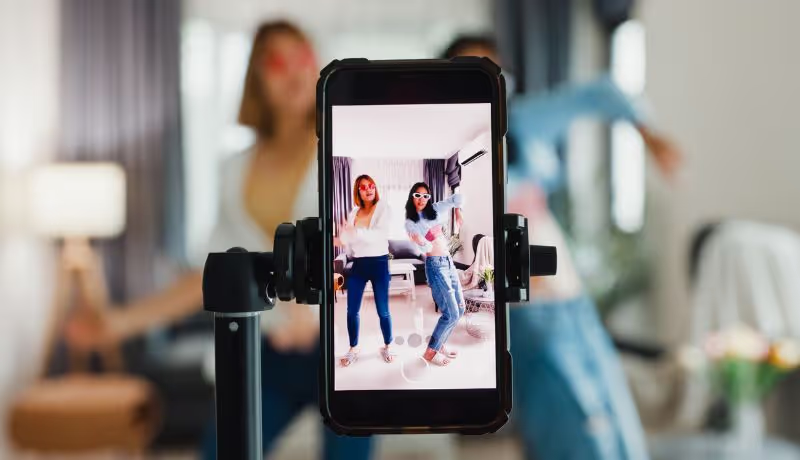
TikTok and Reels for education and personality
Short-form video can be effective, but it requires team comfort and content discipline.
It is a fit when your group has:
- Providers willing to appear on camera
- Clear content guidelines
- A repeatable video format
- Someone who can edit or package clips
- A comfort level with a casual tone
Dental topics that can translate well into short video include:
- “What to expect at your first visit.”
- “Three signs it is time to replace your toothbrush.”
- “What parents should know about sealants.”
- “Invisalign vs. braces: what patients ask us.”
- “What happens during a dental implant consultation.”
Short-form video should still be handled carefully. Avoid sharing patient information without documented permission, and keep clinical claims accurate and appropriate.
Google Business Profile posts for local search support
Google Business Profile is not always treated like a social platform, but it matters for local dental practices.
Posts can support:
- Local search visibility
- Appointment reminders
- Service highlights
- Office updates
- Holiday hours
- New provider announcements
If your marketing team is already creating social content, consider whether certain posts should also be adapted for Google Business Profile. This can help keep location profiles fresh without requiring a separate content engine.
LinkedIn for DSO brand, recruiting, and growth
LinkedIn is usually less important for individual patient acquisition, but it can be valuable for the parent brand.
Use LinkedIn for:
- DSO growth updates
- Recruiting
- Provider hiring
- Leadership content
- Culture stories
- Partnerships
- New location announcements
- Industry credibility
If your organization is expanding, hiring clinicians, or building a regional brand, LinkedIn can support the business side of growth while Facebook and Instagram support local patient engagement.
A practical platform mix for multi-location dental groups
If your team is stretched, start with a manageable mix:
- Every location: Facebook, Instagram, Google Business Profile
- Select locations: TikTok or Reels-heavy strategy where providers are comfortable
- Corporate brand: LinkedIn for recruiting, growth, and leadership visibility
The goal is not to chase every platform. The goal is to keep the right platforms active enough to support patient trust.
Dental social media post ideas that every location can personalize
Dental social media post ideas scale best when they begin as templates.
A template does not mean every post is identical. It means your team has a repeatable structure that each office can personalize quickly.
Here are content categories that work well across locations.
Team and provider spotlights
Patients want to know who they will meet when they walk in.
Template prompts:
- “Meet Dr. [Name], who loves helping patients with [service or focus].”
- “Say hello to [team member], one of the friendly faces at our [city] office.”
- “This month, we are celebrating [team member]’s work anniversary.”
Local personalization:
- Add the staff member’s photo.
- Include one fun fact.
- Mention the office location.
- Tie the spotlight to a patient-friendly value, like comfort, education, or prevention.
Preventive care reminders
These are easy to standardize and useful for every office.
Post ideas:
- Six-month cleaning reminders
- Flossing tips
- Toothbrush replacement reminders
- Fluoride education
- Sealant education for parents
- Nightguard awareness
- Oral cancer screening reminders
Local personalization:
- “Our [city] hygiene schedule is filling up for August.”
- “Families in [neighborhood] can call our office to book back-to-school cleanings.”
- “Ask our [location] team if sealants are right for your child.”
Seasonal and school-year content
Dental calendars pair naturally with seasonal routines.
Post ideas:
- Back-to-school checkups
- Halloween candy tips
- End-of-year insurance benefit reminders
- Holiday hours
- New year smile goals
- Summer sports mouthguard reminders
- Wedding season cosmetic consultation reminders
Local personalization:
- Reference local schools, sports seasons, or community events when appropriate.
- Add office-specific hours.
- Include location-specific appointment links or phone numbers.
Patient experience and comfort content
Many patients feel anxious about dental visits. Social content can reduce uncertainty before they book.
Post ideas:
- “What to expect at your first visit.”
- “How we help nervous patients feel comfortable.”
- “A look inside our treatment rooms.”
- “What happens during a hygiene appointment.”
- “How to prepare your child for their first dental visit.”
Local personalization:
- Use photos of the actual office.
- Feature the local team.
- Mention comfort amenities available at that location.
Community involvement
Community content is one of the easiest ways to make local pages feel real.
Post ideas:
- School sponsorships
- Local charity drives
- Health fairs
- Sports team sponsorships
- Chamber of commerce events
- Volunteer days
- Local business partnerships
Local personalization:
- Tag community partners when appropriate.
- Use real event photos.
- Add city or neighborhood names.
- Thank local participants.
Service education
Service education helps patients understand what your practice offers without turning every post into a sales pitch.
Post ideas:
- “When should you consider clear aligners?”
- “What are dental implants?”
- “How does professional whitening work?”
- “What is a dental crown?”
- “When does a child need orthodontic evaluation?”
- “What is periodontal maintenance?”
Local personalization:
- Mention which locations offer the service.
- Feature a provider who performs the treatment.
- Link to the correct local appointment page.
Reviews and testimonials
Reviews can be powerful, but they need careful handling.
Post ideas:
- “Thank you for the kind words, [first name or anonymous reference].”
- “We are grateful when patients share their experience with our [city] team.”
- “Our team loves helping patients feel comfortable from check-in to checkout.”
Local personalization:
- Use location-specific reviews.
- Avoid sharing protected health information.
- Follow your organization’s consent and review-use policies.
How to build a multi-location dental social media workflow
Knowing how to manage social media for multiple dental offices comes down to workflow.
Without a workflow, every post becomes a one-off project. Someone requests content in email, someone else drops photos in a shared drive, and captions get pasted into a spreadsheet.
That may work for two offices. It does not work for 20.
A scalable workflow should answer five questions.
Who owns the content calendar?
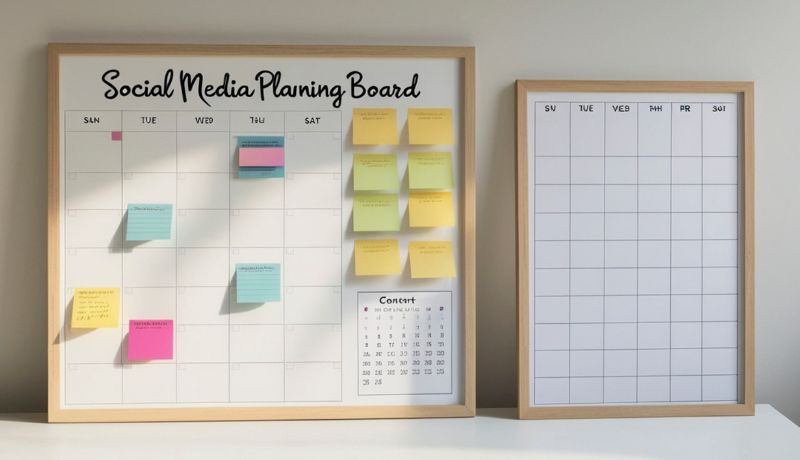
Central marketing should usually own the master calendar.
That does not mean central marketing creates everything. It means one team maintains the plan, balances content categories, and makes sure every location has enough posts scheduled.
A master calendar should include:
- Campaign themes
- Seasonal priorities
- Posting frequency
- Platform mix
- Required brand content
- Optional local content prompts
- Approval deadlines
- Publish dates
This gives the organization one source of truth instead of dozens of disconnected calendars.
What can local teams submit?
Local offices should not have to guess what content is useful.
Give them a short, clear submission list:
- Team photos
- Provider introductions
- Community event photos
- Office updates
- Staff anniversaries
- Local sponsorships
- Patient appreciation photos, with proper consent
- Short provider video clips
- Frequently asked patient questions
Then give them simple instructions:
- Where to upload content
- What details to include
- Which consent forms are required
- What deadlines matter
- Who to contact with questions
The easier the request, the more likely offices are to participate.
What needs approval?
Not every post needs the same level of review.
For example:
- Pre-approved evergreen content: May only need central marketing review once.
- Localized captions: May need brand or regional review.
- Clinical education: May need provider or compliance review.
- Patient stories or images: Should follow your consent and privacy process.
- Crisis or sensitive content: Should route through leadership before publishing.
Define approval paths by content type. This prevents low-risk posts from getting stuck while ensuring sensitive content gets the right attention.
Cloud Campaign has more guidance on broader social media marketing best practices, including how to think about content planning and performance.
How will posts be localized?
Localization should be built into the process.
A central post might include fields like:
- Location name
- City or neighborhood
- Provider name
- Office phone number
- Booking link
- Local photo
- Service availability
- Local event detail
This allows your team to create a strong base post and adapt it by office without rewriting from scratch.
How will everything get scheduled?
Scheduling is where many multi-location workflows fall apart.
If your team is logging in and out of individual accounts, copying captions, resizing graphics, and manually checking publish dates, scale becomes painful fast.
This is where a centralized platform becomes the operational layer. Cloud Campaign helps multi-location teams bring planning, approvals, scheduling, and publishing into one workflow so content can be managed across locations without scattered spreadsheets and manual handoffs.
For dental groups, that means your team can:
- Centralize social planning across offices
- Standardize approval workflows
- Schedule content across multiple location accounts
- Keep brand oversight in one place
- Localize content by office
- Reduce manual publishing work
- Maintain a clearer view of what is planned, approved, and live
The point is not to remove the local voice. It is to give local offices an easier way to participate while giving central marketing the structure needed to scale.
What good dental social media marketing should measure across locations
Dental social media ROI for dental practices is often misunderstood.
If the only metrics you track are likes and followers, social will look disconnected from practice growth. If you expect every post to produce a directly attributed new patient, you may undervalue the role social plays in trust, recall, and local visibility.
A better measurement approach looks at performance in layers.
Activity metrics
These show whether your system is working.
Track:
- Posts published per location
- Posting consistency
- Percentage of locations active each month
- Approval turnaround time
- Local content submissions
- Missed posting windows
- Content mix by category
For multi-location groups, activity metrics matter because inconsistent execution is often the first barrier to results.
If one office publishes 12 times per month and another publishes once, you do not have a performance problem yet. You have an operations problem.
Engagement metrics
These show whether content is resonating.
Track:
- Reactions
- Comments
- Shares
- Saves
- Video views
- Story interactions
- Clicks
- Direct messages
- Review-related engagement
Compare engagement by content type, not just by location. You may find that team photos outperform generic graphics, or that provider videos perform well in orthodontic locations but not in general dentistry offices.
That insight helps you improve the system.
Local trust indicators
These are harder to measure but important.
Look for signs like:
- Patients mentioning posts during visits
- Increased review activity after local campaigns
- More engagement from community partners
- Higher visibility around events
- More direct messages asking about appointments or services
- Stronger recruiting response from culture content
Social media often supports trust before it supports conversion. Patients may see your posts several times before they search your office, read reviews, or book.
Traffic and conversion metrics
Where possible, connect social activity to measurable business actions.
Track:
- Website clicks from social profiles
- Appointment request clicks
- Calls from profile buttons
- Direction clicks
- UTM-tagged campaign traffic
- Landing page visits
- New patient form starts
- Campaign-specific inquiries
Not every platform will give perfect attribution. That is normal. The goal is to build enough signal to understand which content and locations are contributing to patient action.
Location benchmarking
Multi-location teams should compare performance, but carefully.
Avoid using one leaderboard that rewards only the largest or most established office. A mature location in a dense market will naturally perform differently from a new office building its audience.
Instead, benchmark by:
- Location size
- Office type
- Market maturity
- Service mix
- Posting frequency
- Audience size
- Content participation
Then look for patterns:
- Which offices submit the most local content?
- Which content categories perform best by specialty?
- Which locations need workflow support?
- Which offices have strong engagement despite smaller audiences?
- Which platforms are worth continued investment?
Good reporting should help you make operational decisions, not just produce a monthly screenshot of vanity metrics.
Scaling dental social media without losing the local feel
Multi-location dental social media works best when it is treated like an operating system, not a side task.
The strongest groups do not rely on random acts of posting. They create a structure that supports every office:
- A shared calendar
- Clear brand standards
- Local content prompts
- Defined approval paths
- Platform-specific priorities
- Centralized scheduling
- Location-level reporting
That structure gives local teams room to be human while giving central marketing the control needed to protect the brand.
The playbook is simple. Build once, personalize often, approve clearly, publish consistently, and measure what helps each office grow.
If your team is ready to make multi-location planning, approvals, and publishing easier, see how Cloud Campaign can help your dental practice group keep every office active, on-brand, and locally relevant without adding more manual work.




Want 10 free social posts for your client or brand?
CloudStudio helps automate your social presence by turning your brand, website, and goals into ready-to-post content. Share your info and we’ll show you what it can create.


















.png)

.png)
.png)
.png)
.png)
.png)
.png)
.png)
.png)
.png)
.png)
.png)
.png)





.png)
.png)






















.png)